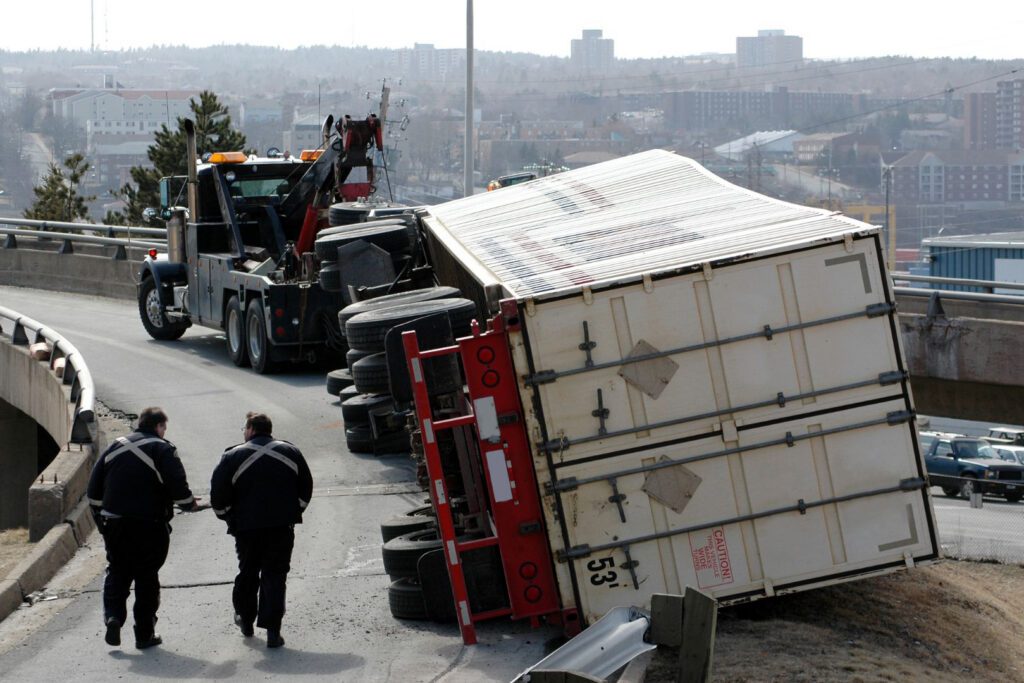
A fleet safety program is more than a collection of policies and signed driver acknowledgments. An effective program gives fleets a consistent process for identifying safety events, investigating what happened, assigning corrective action, and verifying that the situation improves.
Most fleets already have policies covering speeding, distracted driving, seat belt use, accidents, inspections, drug and alcohol requirements, and vehicle care. The challenge is turning those policies into consistent, documented action.
A signed policy establishes expectations. A working safety program creates accountability and follow-through.
Key Takeaways
- A fleet safety program connects policies to incident tracking, investigation, corrective action, training, and follow-up.
- Cameras, telematics, and ELDs provide valuable data but do not show the complete driver safety picture.
- Every safety incident should have an owner, supporting evidence, appropriate corrective action, and documented closure.
- Corrective training should be connected to the incident and followed by performance monitoring.
- Centralized safety information helps fleets identify recurring behavior, manage open actions, and retrieve relevant records.
- DQM Connect connects driver safety information, incidents, training, coaching, and follow-through in one workflow.
What Makes a Fleet Safety Program Effective?
An effective fleet safety program connects information and actions that are often managed separately:
- Safety events → the correct driver
- Incidents → supporting evidence
- Investigations → corrective action
- Training → the behavior that triggered it
- Coaching → documented follow-up
- Open tasks → owners and deadlines
- Driver behavior → historical safety information
- Completed actions → documented closure
Without those connections, a fleet can have extensive safety information without having a clear picture of driver risk.
Why Common Safety Tools Aren’t Enough
A fleet may already have:
- Safety policies and driver acknowledgments
- Dash cameras and telematics
- ELD data
- MVR reports
- Annual training
- Accident forms
- Progressive discipline policies
- Spreadsheets for tracking incidents
These tools provide valuable information, but they do not automatically create a safety workflow.
Problems occur when:
- Different departments record events differently.
- Managers cannot easily see a driver’s previous behavior.
- No one owns an incident through resolution.
- Training is assigned without confirming completion.
- Coaching and manager check-ins are undocumented.
- Safety information is scattered across spreadsheets or systems.
- Leadership cannot easily identify fleet-wide trends.
- Records are difficult to retrieve during an audit, claim, or review.
The result is a gap between having safety data and being able to act on it consistently. Learn more about DQM Connect’s Safety and Risk Management tools
Why Driver Safety Data Needs Context
Cameras, telematics, and electronic logging devices can identify events such as:
- Speeding
- Harsh braking
- Rapid acceleration
- Following distance
- Seat belt use
- Distracted driving
- Hours-of-service concerns
- Unassigned drive time
- Collision events
But an individual event does not necessarily explain why it happened or what happened afterward.
A broader driver safety record may also include:
- Accidents and investigation findings
- Roadside inspections
- Citations and convictions
- MVR monitoring
- License suspensions
- Customer complaints
- Supervisor observations
- Vehicle damage
- Training completion
- Previous coaching
- Driver Qualification File status
- Drug and alcohol events
- Off-duty driving activity affecting license status or qualification
For example, a camera can identify a close-following event. It may not show that the same driver has already received coaching for similar behavior or recently received a conviction affecting driving privileges.
Driver behavior data becomes more useful when it can be viewed alongside the driver’s broader safety and compliance history.
Can Off-Duty Driving Affect Fleet Safety?
Off-duty driving activity can potentially affect a commercial driver’s:
- License status
- CDL qualification
- Insurance eligibility
- Availability to work
- Customer requirements
- Company policy compliance
- Overall fleet risk
Examples include an off-duty DUI, serious speeding conviction, reckless driving, license suspension, failure to appear, or an accident in a personal vehicle.
Employment behavior may also provide relevant context when it relates to the job and is reviewed appropriately. Repeated attendance problems, ignored training assignments, failure to follow reporting procedures, or resistance to required safety procedures may be relevant to a company’s safety process.
However, not every off-duty or employment issue should automatically become a fleet safety event. Fleets should apply lawful, job-related, and consistently enforced policies.
Common Fleet Safety Tracking Gaps
Instead of managing these problems separately, fleets can evaluate their safety process against the following questions:
| Safety area | What to ask |
| Incident categories | Are similar events recorded consistently? |
| Driver history | Can managers see relevant previous events and actions? |
| Evidence | Is supporting documentation connected to the incident? |
| Ownership | Does every open incident have someone responsible for the next step? |
| Corrective action | Is training or coaching connected to the event that triggered it? |
| Follow-up | Is there a documented check-in after corrective action? |
| Closure | Is an incident closed only after required actions are complete? |
| Positive performance | Does the program recognize improvement and safe behavior? |
| Reporting | Can leadership identify recurring behaviors and fleet-wide trends? |
| Record retrieval | Can staff quickly locate relevant records during an audit or review? |
These gaps are especially common when information is split between departments or maintained in multiple spreadsheets.
A Fleet Safety Incident Workflow
A strong safety program should follow an incident from discovery through documented resolution.
1. Capture the Event
Create one incident record containing:
- Driver
- Date and time
- Location
- Event type
- Vehicle
- Source
- Initial severity
- Description
- Supporting documents
The source might be a camera alert, citation, MVR notification, customer complaint, manager observation, roadside inspection, or accident report.
2. Assign Ownership
Identify who is responsible for:
- Investigating
- Completing the review
- Approving corrective action
- Communicating with the driver
- Completing the next action
Set appropriate deadlines so incidents do not disappear after the initial report.
3. Investigate
Review the available facts before reaching a conclusion. Depending on the event, this may include:
- Video and telematics
- ELD information
- Driver or witness statements
- Inspection or police reports
- Vehicle condition
- Previous similar events
- Training history
- Qualification status
The goal is to understand the event in context rather than simply record that it happened.
4. Determine the Response
Match the response to the facts and the company’s consistently applied policies.
Possible actions include:
- No action after review
- Informal coaching
- Documented counseling
- Corrective training
- Road evaluation
- Increased monitoring
- Written warning
- Temporary removal from driving
- Qualification review
- Termination under applicable policy
5. Complete Corrective Action
Document the action, owner, due date, completion criteria, driver acknowledgment, and supporting documentation. Learn more about our driver training modules
6. Follow Up
A completed training course or coaching conversation does not necessarily mean the issue is resolved.
Schedule a follow-up to determine:
- Did the behavior improve?
- Did similar events occur?
- Does the driver understand the expectation?
- Is additional training needed?
- Should the risk level change?
7. Close the Incident
Close the incident only after required steps are complete.
The final record should include the finding, corrective action, training completion, manager check-in, driver response, final status, closure date, and person approving closure.
This creates a documented chain from event → investigation → action → follow-up → resolution.
Corrective Training Should Be Connected to Behavior
Assigning a training course does not automatically change driver behavior.
Effective corrective training should connect the training to:
- The specific incident
- The behavior that needs to change
- The applicable safety policy
- A completion deadline
- Driver acknowledgment
- Manager discussion
- Later performance monitoring
For example, a driver with repeated close-following events may complete defensive-driving training. The safety manager can then review relevant camera or telematics data during an established follow-up period.
The important question is not simply “Did the driver finish the course?”
It is “Did the driver’s behavior improve?”
Fleet Safety Requires Appropriate Cross-Department Visibility
Driver safety information may come from many parts of an organization:
- Recruiting: application discrepancies
- HR: attendance and policy issues
- Compliance: qualification issues
- Safety: accidents and camera events
- Operations: customer complaints
- Maintenance: recurring vehicle damage
- Terminal managers: day-to-day driver behavior
When those teams use separate systems, each may see only part of the driver’s history.
Appropriate shared visibility can help managers determine:
- Is this an isolated event?
- Has similar behavior been documented elsewhere?
- Is the driver properly qualified?
- Has corrective training already been assigned?
- Is the driver currently restricted?
- Who owns the follow-up?
- Is the matter still open?
Visibility should remain role-based. Not every employee needs access to every employment or sensitive record. The goal is appropriate visibility, not unrestricted access.
What Should a Fleet Have Ready for a DOT Audit?
A DOT audit may focus on specific required records, including Driver Qualification Files, drug and alcohol testing, hours of service, vehicle maintenance, and the accident registry.
Not every internal coaching note belongs in a Driver Qualification File, and not every company safety event qualifies as a DOT-recordable accident.
Depending on the record and applicable requirements, fleets may need to organize and retrieve:
- Required DQ file documents
- Annual MVR reviews
- License and medical records
- DOT accident registry information
- Roadside inspection records
- Training documentation
- Corrective-action records
- Supporting safety files
- Completion and review history
The goal is not simply to have more documents. It is to find the right record, understand its status, and demonstrate the workflow behind it.
How DQM Connect Supports Fleet Safety Management
DQM Connect helps fleets move from disconnected incident lists toward a centralized driver-safety workflow.
Fleets can bring together:
- Driver Qualification File status
- Accidents and incidents
- Citations and violations
- MVR and CSA monitoring
- Safety observations
- Training assignments
- Coaching records
- Corrective actions
- Manager check-ins
- Driver behavior trends
- Supporting documents
- Open and completed tasks
This supports several parts of the safety process:
Centralized Safety Information
Teams can connect incidents to the appropriate driver, evidence, vehicle, category, date, and responsible manager.
Trend Identification
Consistent incident categories can help fleets identify repeat behaviors, common incident types, terminal-level trends, training needs, positive performers, and unresolved actions.
Workflow Management
Ownership, due dates, and completion status help keep incidents moving beyond the initial report.
Corrective-Action Follow-Through
Training, coaching, and manager check-ins can remain connected to the incident that created the need for action.
Appropriate Department Visibility
Authorized managers can review current information rather than relying on emailed spreadsheets and disconnected records.
Audit Preparation
Organized driver, qualification, incident, and training records can make it easier to locate information when an auditor, insurer, or other authorized reviewer requests it.
Internal link: Explore DQM Connect’s [Safety and Risk Management tools].
Internal link: Learn [how DQM Connect works].
Fleet Safety Program Checklist
Use this quick checklist to evaluate your current process:
Policy
- Policies are current and acknowledged.
- Managers understand the enforcement process.
- Similar events receive consistent review.
Incident Management
- Events use standard categories.
- Each event connects to a driver and supporting evidence.
- Severity and relevant details are documented.
Ownership
- Every open incident has an owner.
- Required actions have due dates.
- Management can identify overdue work.
Corrective Action
- Training matches the behavior.
- Coaching is documented.
- Completion is verified.
- Follow-up monitoring is scheduled.
Closure
- Incidents are not closed simply because training was assigned.
- Required check-ins are completed.
- Continued risk is escalated appropriately.
- The final decision is documented.
Reporting
- Leadership can identify fleet-wide trends.
- Teams can identify recurring behaviors.
- Relevant records can be retrieved for audits and reviews.
Turn Your Safety Policy Into a Working Fleet Safety Program
A fleet does not need another policy sitting in a driver file. It needs a process that makes those policies operational.
That means connecting safety events to investigation, corrective action, training, follow-up, and documented closure.
DQM Connect helps fleets connect the broader driver story—from qualification and monitoring to incidents, training, and follow-through.
Ready to move beyond safety spreadsheets? Schedule a DQM Connect demo to see how incident tracking and driver-safety workflows can work across your organization.
You can also explore the Driving Success webinar series for practical driver safety and compliance education.
This article provides general educational information and is not legal advice. Employment decisions, monitoring, discipline, and access to driver information should follow applicable federal and state laws, collective bargaining agreements, privacy requirements, and consistently applied company policies.