FMCSA outlines these requirements in 49 CFR §391.11(b)(2).
Under this regulation, commercial drivers must:
- Read and speak English sufficiently to communicate with the public
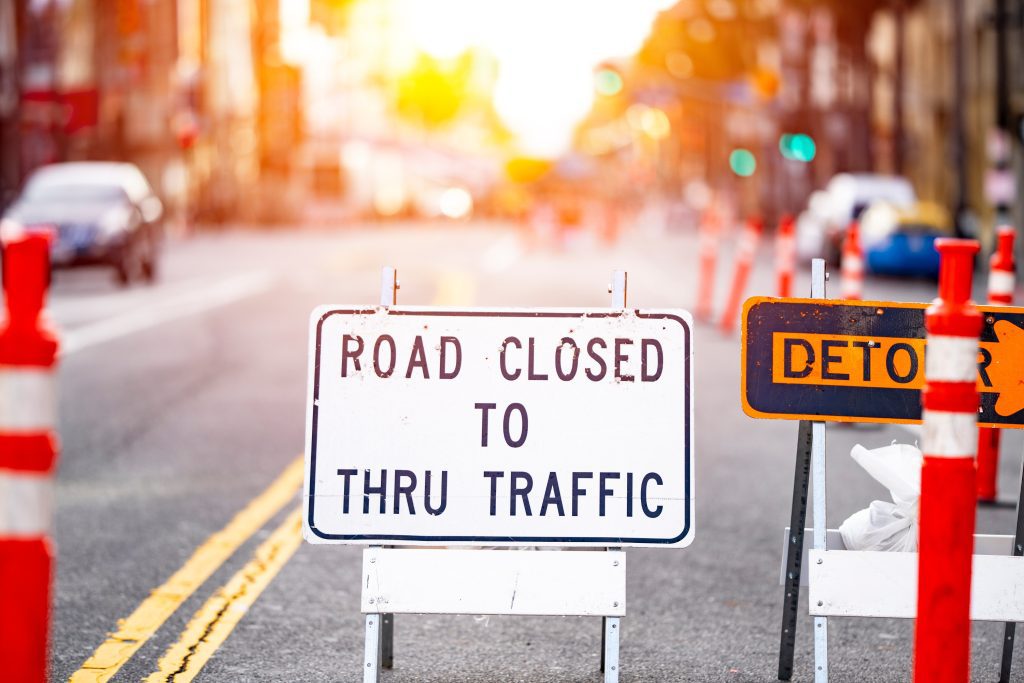
- Understand highway signs and traffic signals written in English
- Respond to official inquiries
- Complete required reports and records
Although FMCSA has enforced this regulation for decades, recent enforcement efforts have brought new attention to it. As a result, many fleets now review their driver qualification processes more closely.
Additionally, safety managers are paying greater attention to language compliance during hiring and onboarding. Consequently, fleets are strengthening documentation practices to support compliance reviews and roadside inspections.
Why DOT English Language Proficiency (ELP) Enforcement Is Receiving More Attention
Recent enforcement initiatives have increased attention on communication during roadside inspections and safety interactions.
For example, drivers must communicate clearly with law enforcement officers, understand traffic signs, and respond appropriately during inspections. When communication barriers exist, safety risks may increase.
Additionally, language challenges can contribute to:
- Misunderstanding traffic signs
- Delays during emergency situations
- Documentation errors
- Inspection delays
- Operational disruptions
Because of these concerns, inspectors often pay closer attention to communication skills during roadside interactions. As a result, fleets should ensure their qualification procedures remain consistent and well documented.
Common Questions About ELP Enforcement
Many carriers continue to seek clarification about enforcement expectations. However, most questions focus on consistency, documentation, and hiring procedures.
How Is English Language Proficiency Evaluated?
One of the most common concerns involves consistency.
For example, many carriers want to know:
- What standards inspectors may use
- How inspectors document concerns
- Which records fleets should retain
- How organizations can create consistent hiring practices
Therefore, many fleets now use structured interview processes and documented qualification reviews during onboarding.
Can Existing Drivers Be Impacted?
Yes. Many organizations are reviewing their current driver populations to identify potential gaps before inspections occur.
Additionally, some fleets are offering communication training and refresher programs. As a result, drivers gain additional confidence during inspections and roadside interactions.
What Documentation Should Fleets Maintain?
Many safety managers are strengthening onboarding procedures to demonstrate due diligence.
For example, fleets often maintain:
- Interview notes
- Qualification reviews
- Training completion records
- Onboarding documentation
- Supervisor evaluations
Furthermore, detailed documentation helps support audit readiness and demonstrates a consistent qualification process.
How Fleets Are Strengthening Driver Qualification Programs
Rather than waiting for enforcement issues to arise, many carriers are taking proactive steps.
For example, fleets are implementing:
- Structured interviews
- Communication assessments
- Supervisor evaluations
- Additional onboarding checkpoints
- Documented qualification reviews
- Ongoing training programs
These efforts create consistency throughout the hiring process. More importantly, they help carriers identify potential concerns before drivers begin operating commercial vehicles.
Consequently, organizations can reduce compliance risk while improving overall safety performance.
The Connection Between Language Compliance and Fleet Safety
English language compliance represents one part of a larger safety strategy.
Similarly, MVR monitoring, incident tracking, safety coaching, and training management all contribute to safer fleet operations.
However, safety managers often struggle to identify trends when information exists across multiple systems. By centralizing qualification, training, and incident records, fleets gain greater visibility into driver performance.
As a result, organizations can identify risks sooner, improve coaching efforts, and make more informed safety decisions.
Furthermore, centralized records help fleets maintain consistency across hiring, onboarding, and ongoing driver development activities.
Final Thoughts on DOT English Language Proficiency Requirements
The recent focus on ELP enforcement has renewed attention on a long-standing FMCSA requirement.
However, fleets do not need to wait for an audit or inspection to strengthen their qualification processes. Instead, they can review onboarding procedures, improve documentation practices, and create more consistent hiring standards today.
Moreover, the most successful carriers treat language compliance as one component of a comprehensive driver qualification strategy.
By combining onboarding, training, qualification management, and compliance monitoring, fleets can strengthen safety programs while reducing risk.
Ultimately, organizations that maintain consistent processes and complete documentation will be better prepared for inspections, audits, and future enforcement initiatives.
Keep track of your driver file onboarding with DQM Connect. Monitor safety, behavior, and training with our incident tracking system.